Digital Marketing
The Google Growth Stack: How Ads, SEO & Google 360 Can Put Your Business on Page One

Lorem ipsum dolor sit amet, consectetur adipiscing elit,




117/2 B, Ambattur OT, Chennai 600053
Heavenly Plaza, KS8, 8th floor, Civil Line Rd, Vazhakkala, Kochi, Kerala 682030
Next to Iceland Waterpark, Al Jazeera Al Hamra - Ras Al Khaimah - UAE
1 Raffles Place, Tower 2, #20-00, Singapore 048616
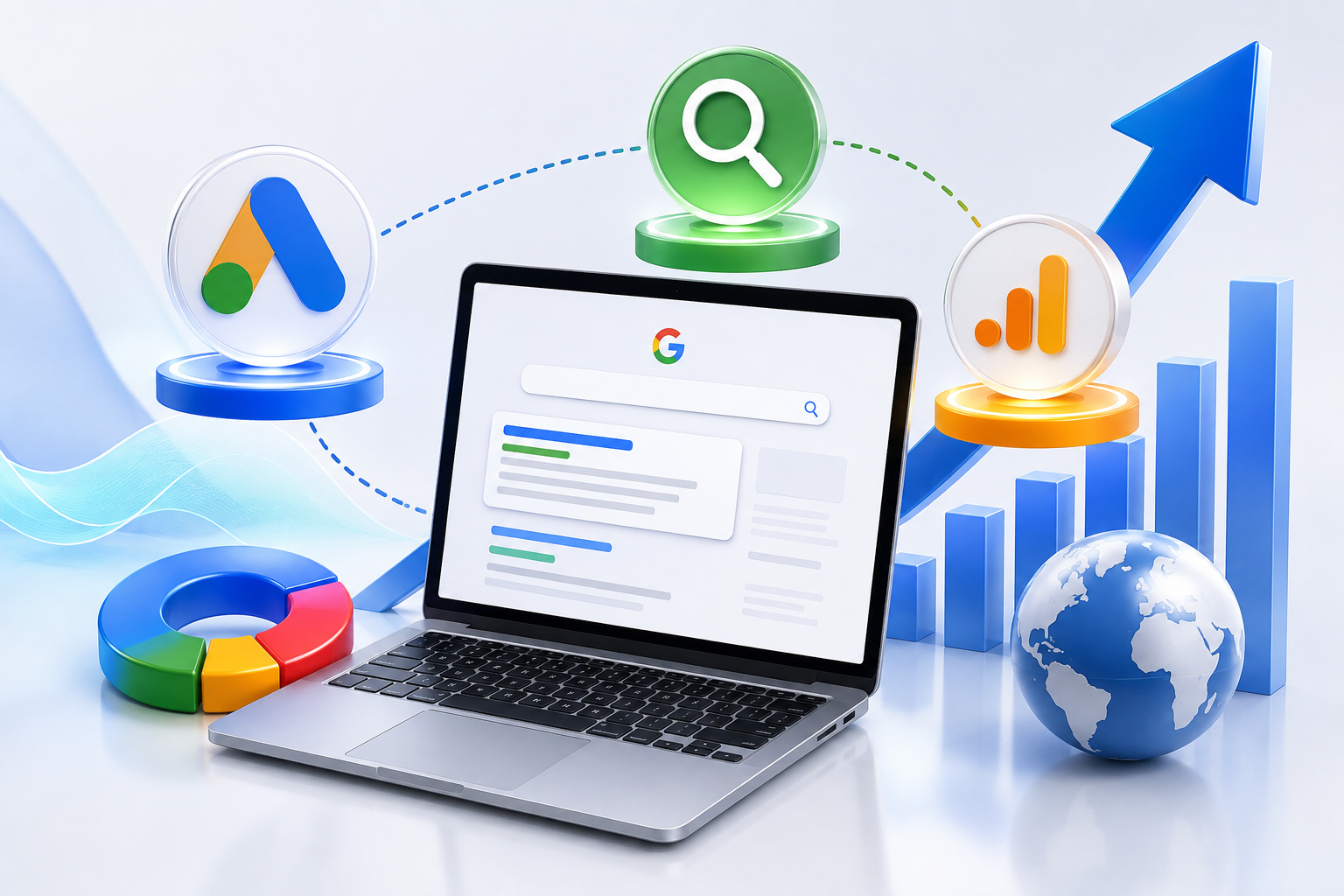
Ranking on page one of Google is no longer about doing one thing right — it's about combining the right tools into a single growth stack. Google Ads gets you instant visibility, SEO builds long-term organic authority, and Google 360 (Analytics 360, Search Ads 360, Display & Video 360) ties everything together with data-driven precision. When these three work in sync, businesses stop competing for scraps of traffic and start owning entire search categories.
Most businesses treat Ads and SEO as separate departments with separate budgets. That's a mistake. The keyword data from your paid campaigns tells you exactly what your organic content should target next, and your organic rankings tell you where you can pull back on ad spend. Google 360 sits on top of both, giving you a single source of truth to measure what's actually driving revenue — not just clicks.
The businesses that consistently show up on page one aren't necessarily spending the most — they're spending smartly across channels. A well-structured Google Ads campaign captures high-intent buyers today, while a solid SEO foundation compounds over months to reduce your cost-per-acquisition. Layer in Google 360's cross-channel attribution, and you can finally see which touchpoints are actually closing deals, not just generating impressions.
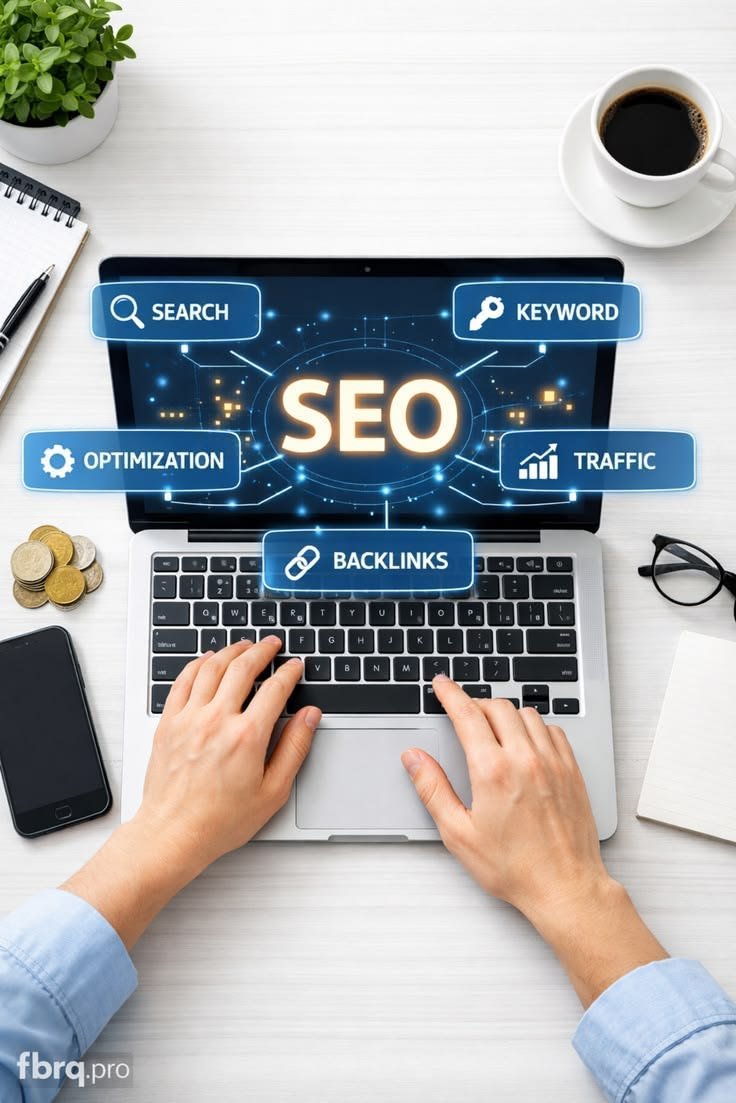

SEO delivers the trust factor — users still click organic results more often than ads when both appear for the same query. But SEO takes time. Running targeted Google Ads campaigns in parallel keeps revenue flowing while your organic rankings climb, and remarketing through Display & Video 360 keeps your brand in front of visitors who didn't convert the first time. This layered approach shortens the gap between launch and page-one visibility.
The real advantage of Google 360 is unified reporting. Instead of jumping between Ads Manager, Search Console, and a dozen spreadsheets, you get one dashboard showing exactly how paid and organic efforts are influencing each other. That visibility lets you shift budget in real time toward whatever is actually converting — turning your marketing from guesswork into a repeatable, scalable system.